
Had an accident that wasn't your fault?
If you're thinking of making a claim, we can help you get started. Our expert partners can provide the support you need.
Had an accident that wasn't your fault?
We can help get you started.
Find out if you can make a claim...


Our expert partners can provide the support you need.
You could be owed compensation
If you’ve had an injury in an accident that wasn’t your fault, on the road or at work; from a faulty product or perhaps suffered from Medical Negligence, you could be owed thousands in compensation.
You could be owed compensation
If you’ve had an injury in an accident that wasn’t your fault, on the road or at work; from a faulty product or perhaps suffered from Medical Negligence, you could be owed thousands in compensation.

Referral service

Free claim calculator

One quick form

Specialist claim advisor

No win, no fee*
Injury compensation claims

Personal injury compensation claims
Physical and mental, from repetitive strain injury, spinal injury & brain damage to PTSD.

Accident at work compensation claims
Workplace accidents in offices, construction sites, factories & military service.

Slips, trips & falls
Minor to life-changing injuries from accidents in public spaces.

Surgical negligence
Poor outcome and injuries as a result of surgical mistakes in all types of surgeries.

Medical negligence compensation claims
Injuries caused by clinical negligence & lack of care in NHS & private medical institutions.

NHS negligence
Harm and injuries caused by hospital negligence, GP negligence & dental errors.

Hospital negligence claims
Personal injury caused by malpractice or inadequate care.
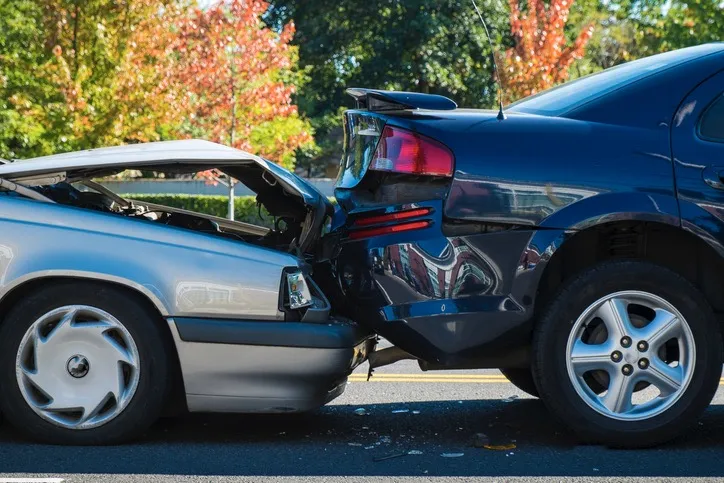
Road traffic accident compensation claims
Drivers & passengers in car accidents and motor cycle accidents, cyclists & pedestrians.

Birth injury
Pregnancy & birth injuries caused by medical mistakes and inadequate care.
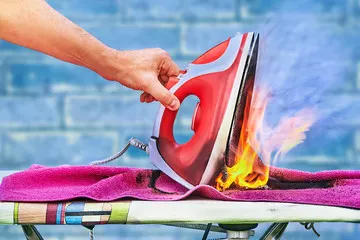
Faulty product
From machinery, gadgets and tech to out of date food, if it’s faulty it’s not your fault.
No win, no fee - if your claim is unsuccessful, you won’t have to pay anything. Successful claimants typically pay 25% of awarded compensation*. Terms and conditions apply. Click here for more information.
Starting your claim is quick and easy
You can start your claim for injury compensation quickly and easily with InjuryClaim.uk. Simply complete the enquiry form today and we'll refer you to one of our specialist claims management partners straight away. They will contact you directly - usually within a day. Our specialist partners, to whom we refer consumer enquiries, pay us a marketing fee.

*Successful claimants typically pay fees of 25% of awarded compensation including vat. This may be subject to your individual circumstances and the actual fee may be more or less than this. You may be required to pay an additional fee for other costs such as after-the-event (ATE) insurance. If you cancel your agreement with your solicitor outside of the 14 day cancellation period, then termination fees may apply.
Minor road traffic accidents:
If you have a minor personal injury claim as a driver or passenger in a road traffic accident that was not your fault, you do not have to use the services of a claims management company to pursue your claim. You may be able to present the claim yourself for free, directly through the Official Injury Claim Portal.
Uninsured or untraced drivers; foreign-registered vehicles or accidents abroad:
If you have been involved in a road traffic accident and wish to make a claim against an uninsured or untraced driver; or if the accident was in the UK involving a foreign- registered vehicle; or if the claim involves a road traffic accident abroad, you do not have to use the services of a claims management company to pursue your claim. It may be possible for you to present the claim for free, directly with the Motor Insurance Bureau.
Criminal Injury Claims:
If you think you have a criminal injury claim, you do not have to use the services of a claims management company to pursue your claim. You can present the claim yourself, for free, directly to the Criminal Injuries Compensation Authority (CICA).
InjuryClaim.uk is a trading style of Digital Direct Solutions Ltd. Digital Direct Solutions Ltd is authorised and regulated by the Financial Conduct Authority in respect of claims management activities: FRN 834651.
Copyright © 2021 Injuryclaim.uk. All rights reserved.